“Something Is Off”
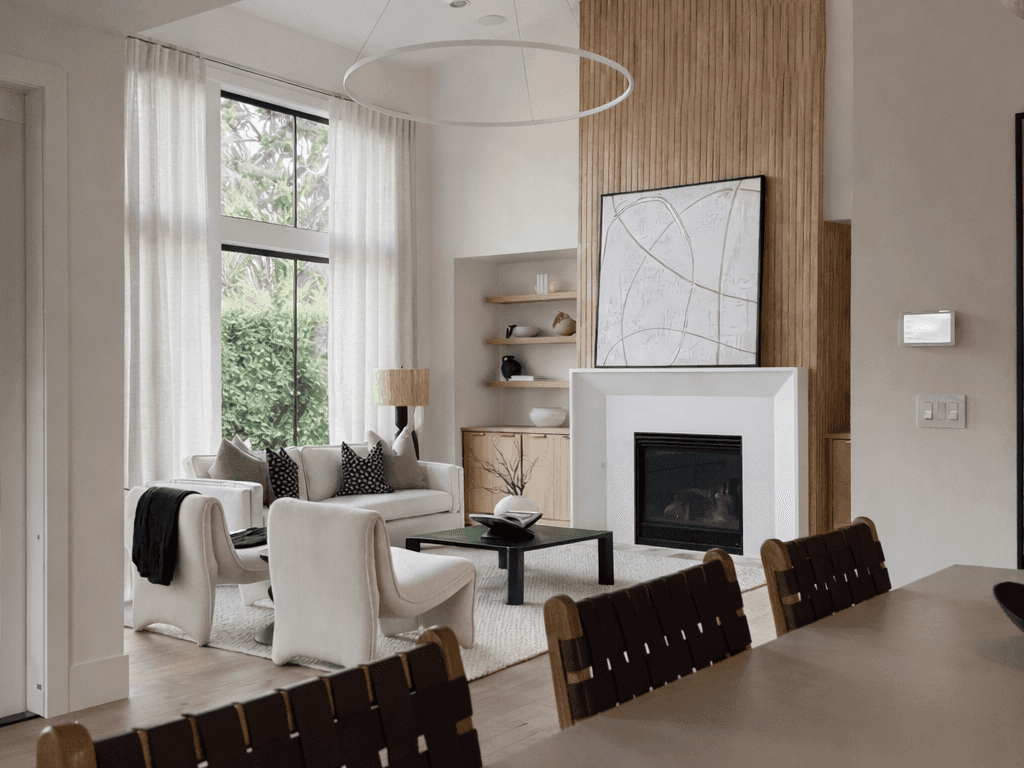
You may have beautiful furniture and thoughtful pieces in your home, but if a room still feels slightly “off,” the issue is often in the details. These are some of the most common design mistakes I see—and how a few thoughtful adjustments can transform the entire space.
As an interior stylist, I often walk into homes where the homeowner has beautiful taste and quality pieces, yet the room still doesn’t feel quite right. It’s rarely because the furniture or decor is wrong. More often, it’s because a few small design principles have been overlooked.
The good news is that once you recognize these common mistakes, they’re usually very easy to correct—and the difference they make can be remarkable.
Here are five of the most common decorating missteps I see and how to thoughtfully refine them.
1. No Window Coverings (or the Wrong Ones)
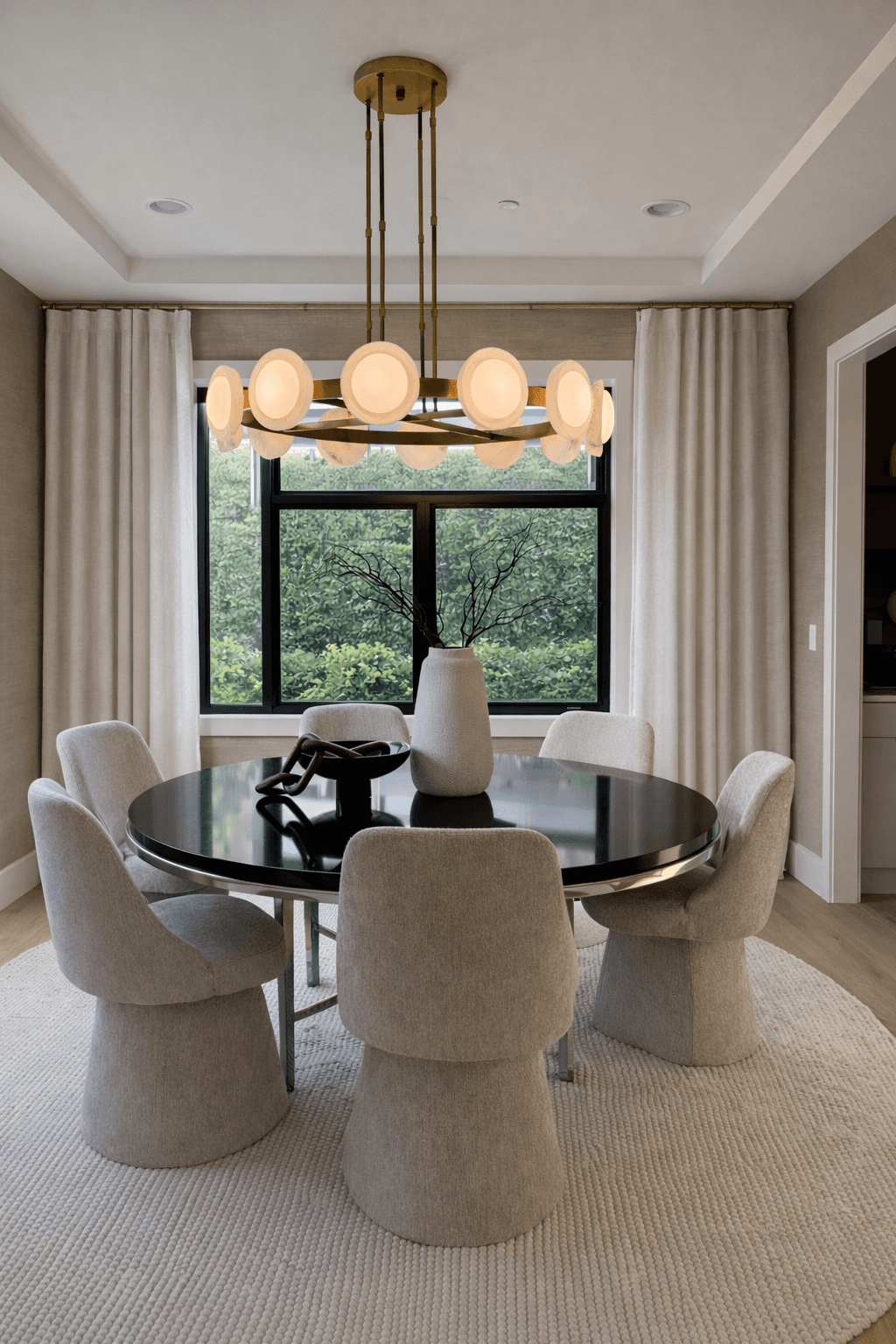
Windows play a much larger role in a room than many people realize. When windows are left bare, a space can feel unfinished or slightly cold, even if everything else in the room is beautiful.
Window coverings soften the architecture of a room and introduce an important layer of texture and warmth. Whether it’s soft linen curtains, tailored roman shades, or simple woven shades, the right treatment frames the window and helps the space feel more intentional.
Another common mistake is hanging curtains too low or choosing panels that are too short. Ideally, curtain rods should be mounted higher above the window frame, and the fabric should gently reach the floor. This simple adjustment visually lifts the ceiling and makes the entire room feel taller and more expansive.
2. The Wrong Size Rug
Rugs are one of the most common design challenges I see in homes. Many people choose rugs that are far too small for the space, which can make the entire room feel disconnected.
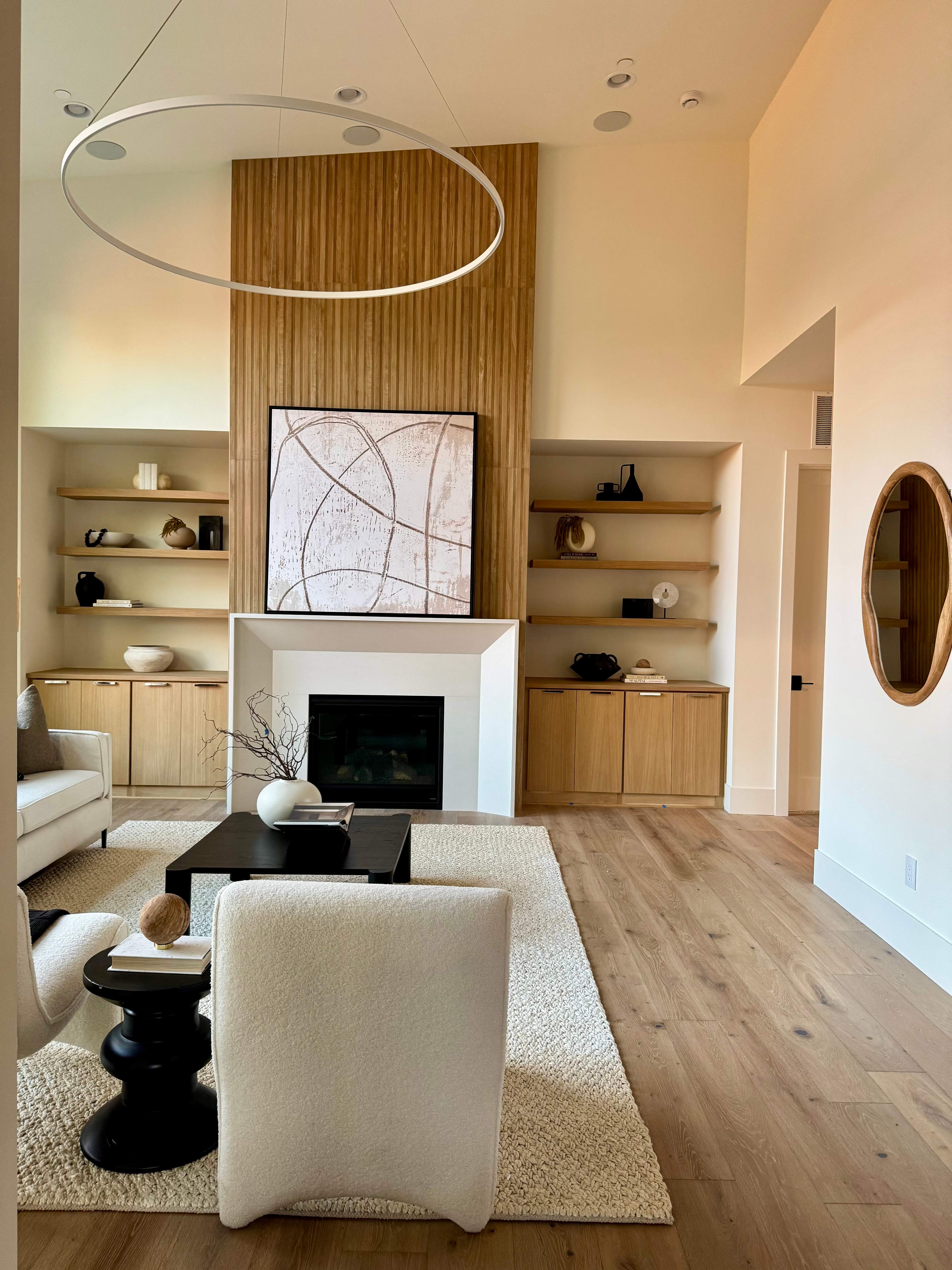
A properly sized rug should anchor the furniture and help define the seating area. In most living rooms, the front legs of the sofa and chairs should sit comfortably on the rug. This creates a sense of cohesion and brings all the elements of the room together.
When a rug is too small, the furniture appears to float around it rather than being grounded by it. Simply upgrading to the correct size rug can dramatically improve the balance of the room.
3. Furniture That’s Out of Scale
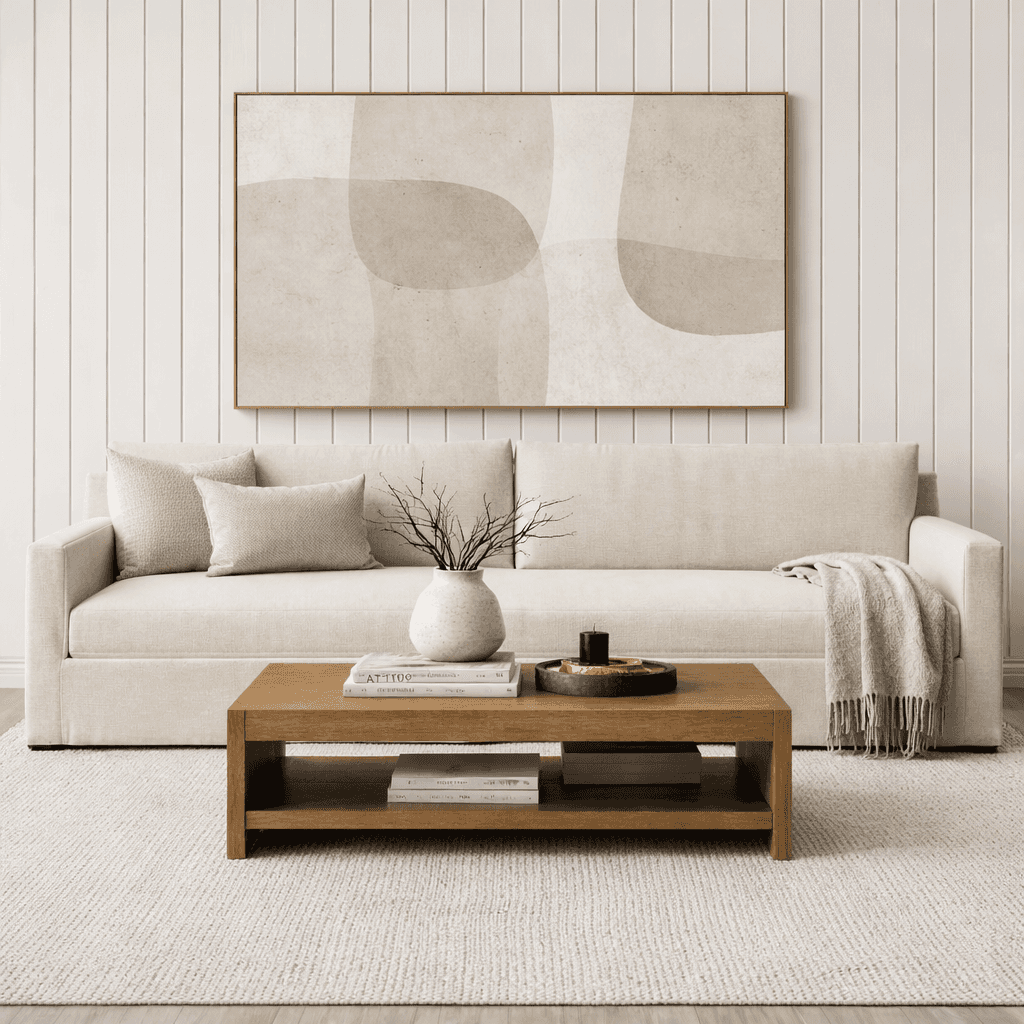
Another common issue is furniture that isn’t quite the right scale for the room. Even beautiful pieces can feel awkward if they’re too large or too small for the space.
Oversized furniture can make a room feel crowded and heavy, while pieces that are too small can leave the room feeling sparse or unfinished. Achieving the right balance is all about proportion.
When designing a space, I always look at how each piece relates to the others. Sofas, chairs, coffee tables, and side tables should feel balanced with one another while still allowing for comfortable flow through the room.
When scale is correct, the entire room immediately feels calmer and more intentional.
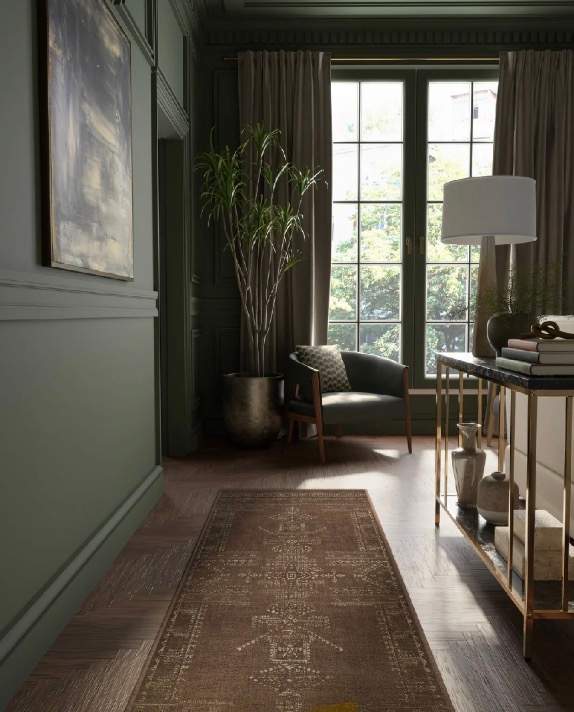
4. Conflicting Paint Colors (Including Trim)
Paint color is one of the most powerful elements in a home, but it can also be one of the easiest ways to unintentionally disrupt the flow of a space.
One common mistake I see is using too many conflicting paint colors from room to room. When colors shift too dramatically throughout a home, the eye constantly stops and starts instead of moving smoothly through the space.
Another detail many people don’t realize is how trim color can impact the perception of a room. While contrasting trim can sometimes be beautiful, in many homes it can actually visually break up the walls and make the room feel smaller.
Often, using a more harmonious color palette—where trim and walls are within the same tonal family—creates a softer, more expansive look. The space feels calmer and more cohesive.
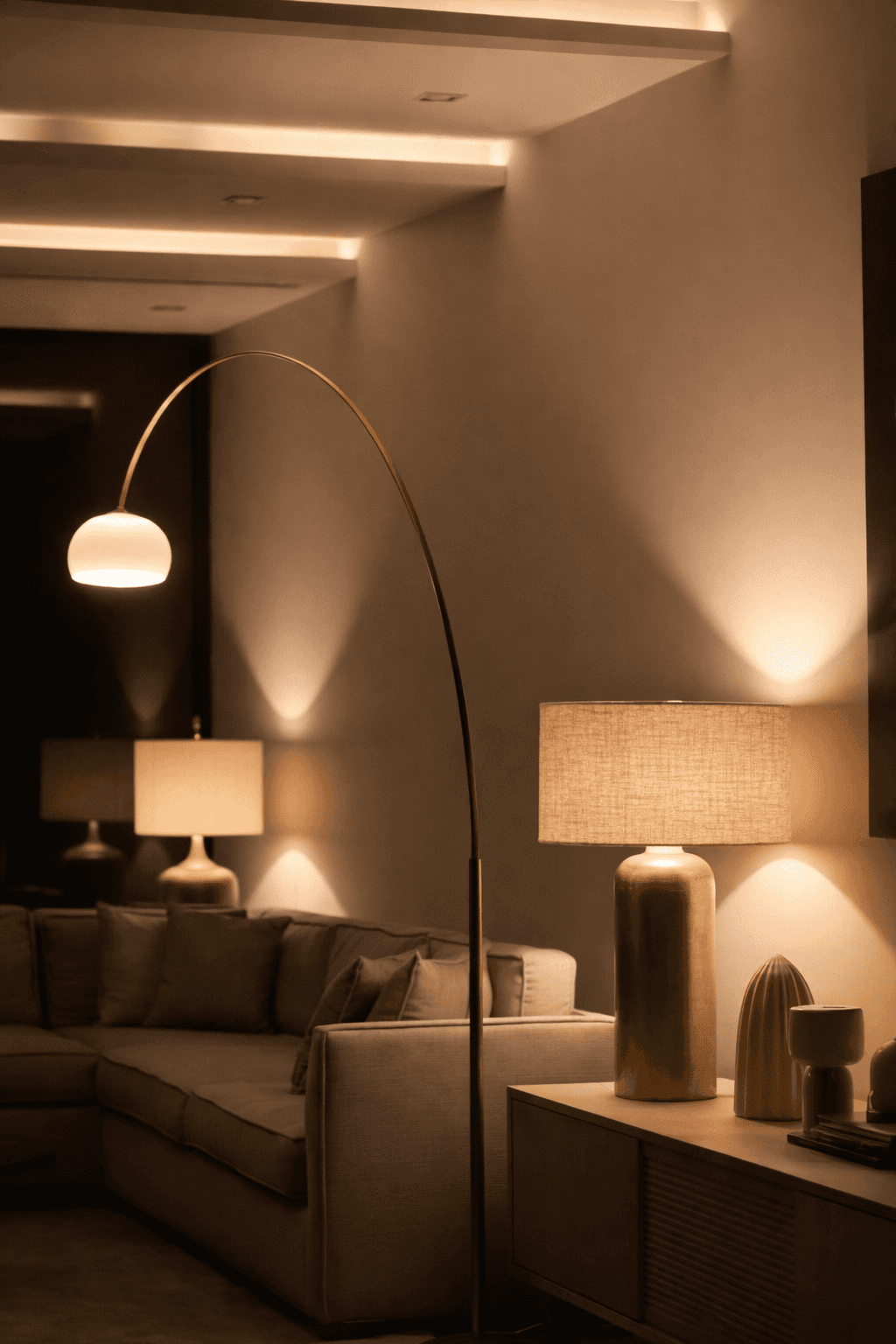
5. Poor Lighting Layers
Lighting is one of the most overlooked elements in interior design, yet it plays a huge role in how a space feels.
Many homes rely almost entirely on overhead lighting, which can leave the room feeling flat and overly bright. Good lighting design involves layering different types of light to create warmth and depth.
I like to think about lighting in three layers:
• Ambient lighting – your general overhead light
• Task lighting – lamps or focused light used for reading or working
• Accent lighting – softer lighting that creates atmosphere